Impactful Research Initiatives

Our Projects

Pushing the boundaries of knowledge through interdisciplinary projects that address real-world challenges and drive meaningful change.

freepik__fill__59292
(Project 01)

Trivandrum as a Space Innovation Cluster

Trivandrum City is emerging as a space innovation hub, leveraging the Vikram Sarabhai Space Centre and the Indian Space Policy 2023. With strong government support and private sector collaboration, it’s set to drive space-sector growth in India.

freepik__fill__51663
(Project 02)

Application of geospatial technologies in urban governance

The project aims to develop space-based applications to solve urban issues such as urban flooding and also develop a comprehensive model for coastal management for the Thiruvananthapuram Corporation.
freepik__fill__51664
(Project 03 )

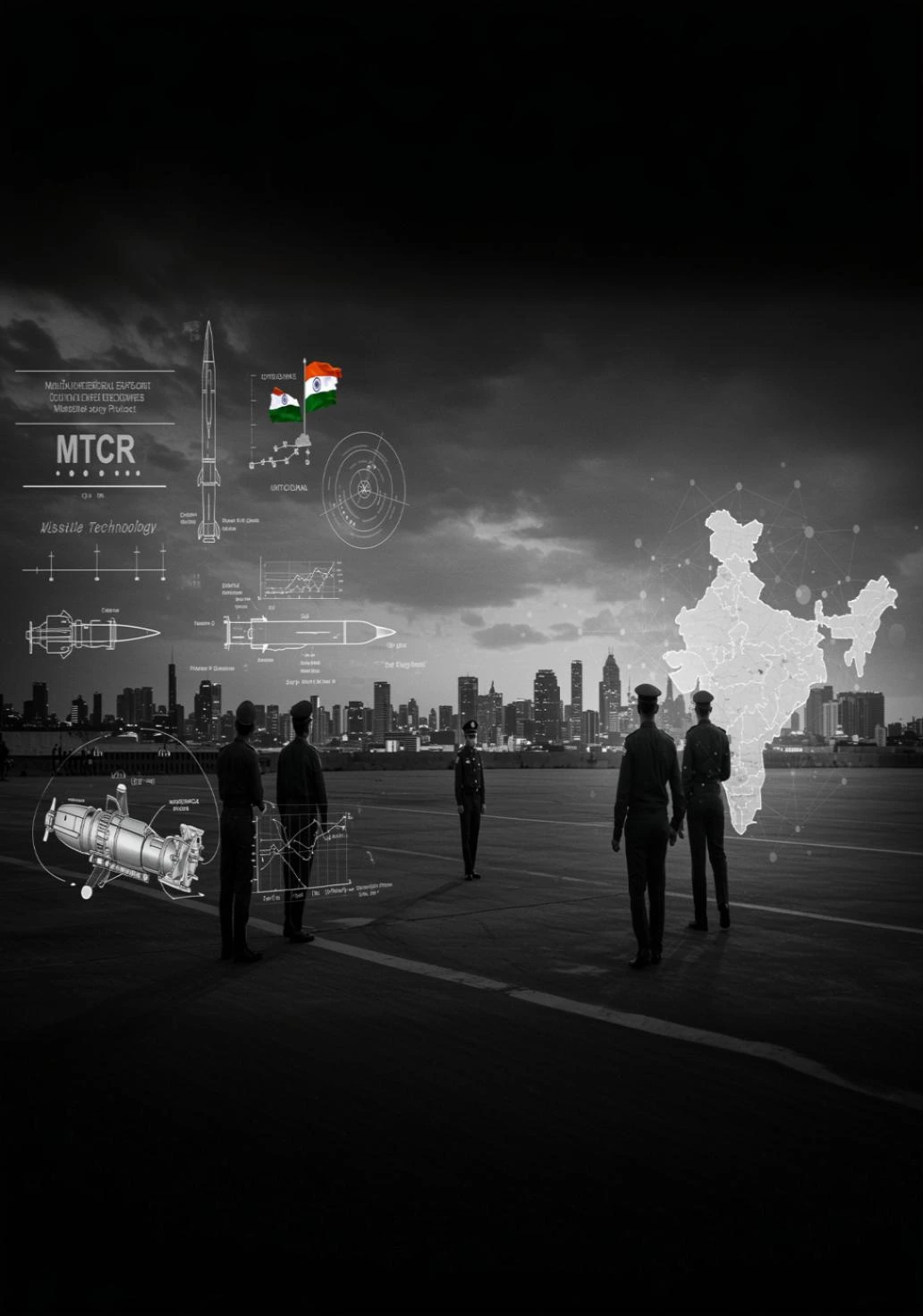
Multilateral Export Control Regimes and Missile Technology

Project that explores the significance of dual-use technologies and the export control regulations, which govern the transfer of missile technology. The study further delves into how countries' adherence to regime guidelines benefits them, by taking the case of India's membership in the MTCR. It also explores how geopolitical factors shape regime membership

freepik__fill__51665
(Project 04 )

Cyber Challenges and National Security project

The project analyses evolving security challenges particularly from China that target India specifically and also the Indo Pacific region. It also examines the vulnerabilities in outer space and maritime security.

freepik__fill__51666
(Project 05 )

A study on international technological collaborations ​

that assesses how bilateral agreements shape the global innovation system, its actors and their networks with a specific focus on green technology. Through this research, the major trends in bilateral technology cooperation in green energy, and green technology, drivers of collaboration and their significance in developing innovative capabilities of nations are analysed.

Untitled design (59)
(Project 06 )

The GIG economy project

Project that explores the significance of dual-use technologies and the export control regulations, which govern the transfer of missile technology. The study further delves into how countries' adherence to regime guidelines benefits them, by taking the case of India's membership in the MTCR. It also explores how geopolitical factors shape regime membership

freepik__fill__51668
(Project 07)

International Telecommunication Union, Spectrum Allocation and India

The study examines how far the spectrum allocation under ITU helps developing nations like India achieve their telecommunication aspirations. It analyses how India’s engagement with ITU's key sectors and regional organizations influences its access to, and governance of, orbital and spectrum resources for space communications.
south edit
(Project 08)

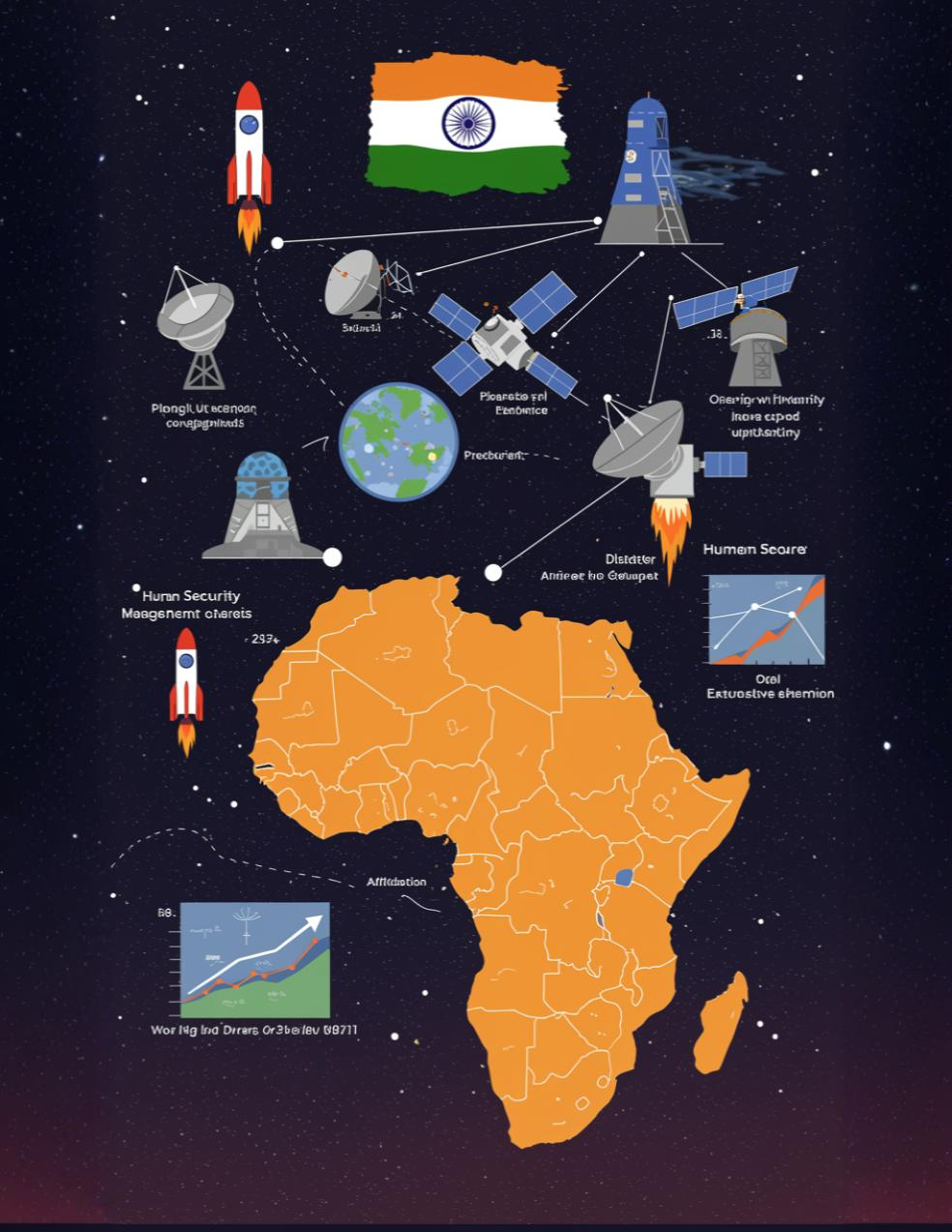
South-south cooperation in Outer Space

The study focuses on Indo-African space cooperation in human security. It aims to analyse how India's space diplomacy with Africa has strengthened south-south cooperation

project 09

Convention on the International Liability for Damage Caused by Space Object

The project addresses the 'Convention on the International Liability for Damage Caused by Space Object', commonly known as the Liability Convention of 1972. It attempts to analyze the legal vacuum in the existing framework to address emerging technological adaptations, including artificial intelligence and the autonomous capacity of space objects, particularly with respect to the liability convention.

Project 10

Geopolitical Significance of India EU Space Cooperation; A Focus On Earth Observation Data Sharing

This paper explores the geopolitical consequences of the India-EU collaboration in space, specifically their partnership in sharing Earth Observation information. Drawing from theoretical lenses of complex interdependence and neo-functionalism, the argument is made that this technical cooperation promotes increased strategic convergency. The mutual access to data facilitated by India's space sensing capabilities and the Copernicus programme of the EU not only fulfills scientific and pragmatic functions but also increases strategic independence by challenging the hegemony of other space powers. Thus, the arrangement enhances environmental diplomacy, disaster resilience, and security while projecting India and the EU as middle powers with the ability to set norms in the governance of outer space. The central thesis is that this collaboration is a multidimensional tool of geopolitics, ecological management, and strategy, and not just a technical agreement.